

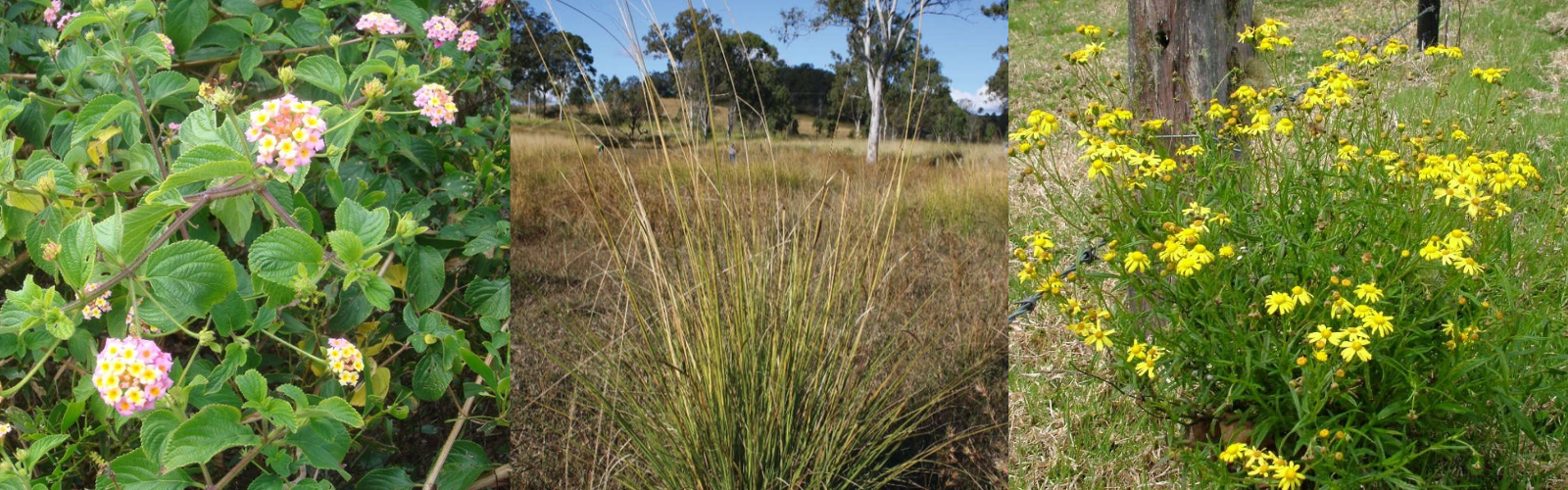
The Lockyer Valley’s mix of irrigated vegetables, lucerne, cropping and grazing country means there’s a weed to manage in almost every month. As a family business based in the valley, we see the same pressure points every year. This is the calendar we use when we plan a season with growers.


Lantana: the valley’s toughest weed
Lantana takes over gullies, creek banks and steep hillsides, which are exactly the places a boom spray or a person with a backpack struggles to reach. Spray it while it’s actively growing, ideally after rain from late spring through to early autumn. Drought-stressed lantana takes up far less chemical, so the kill is poor. A drone can spot spray thick lantana on steep or timbered country without anyone climbing through it.
Summer: beat the storms
Heat and storms bring a fast flush of summer grasses and broadleaf weeds in fallows and headlands. The problem is getting onto the paddock: after a storm the ground is too soft for a boom, and by the time it dries the weeds are too big to kill easily. A drone can spray as soon as the weather allows, with no wheel tracks or compaction.
Autumn: Get ahead of winter crops
Autumn is a key window for young fleabane and perennial weeds before winter crops go in. It’s also when fireweed starts germinating in pasture after rain. Small weeds are far easier to control than big ones, so this is the time to act.
Winter: spot spraying, tidy-ups and controlling pests in vegatables
Winter vegetables and pasture are growing, and many weeds are easier to see. Drones suit spot spraying in tight blocks, around sheds and yards, and along creek banks where a ground rig can’t go. Spray timing on vegetable crops can be crucial, but wet ground or a crop canopy can make it hard to get a rig in. On those tricky days, a drone is the extra tool in your kit.
Spring: book early
Weeds are actively growing and easiest to control, and everyone wants their spraying done at once. This is our busiest period, so book [two to three weeks] ahead. If you’re not sure where the problem areas are, we can map the paddock first and spray only the patches that need it.
Your weed obligations in Queensland
Lantana, cat’s claw creeper, parthenium, giant rat’s tail grass and fireweed are all restricted invasive plants in Queensland. Under the general biosecurity obligation, landholders must take reasonable steps to manage them on their land. Lockyer Valley Regional Council also runs a herbicide subsidy that covers half the cost of herbicide for these weeds. Talk to your agronomist about product choice, and to council about the subsidy.
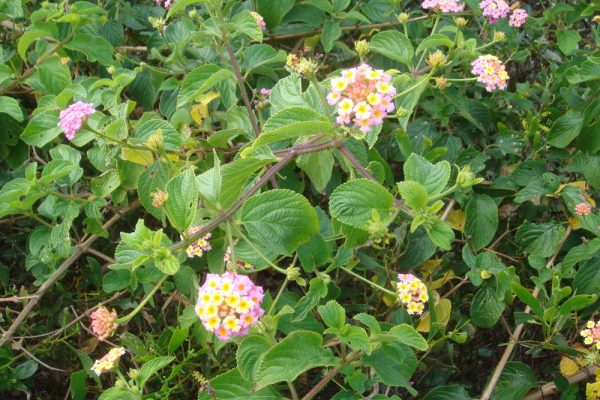
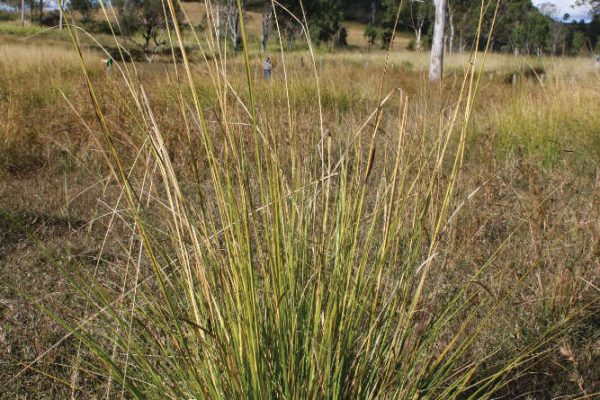
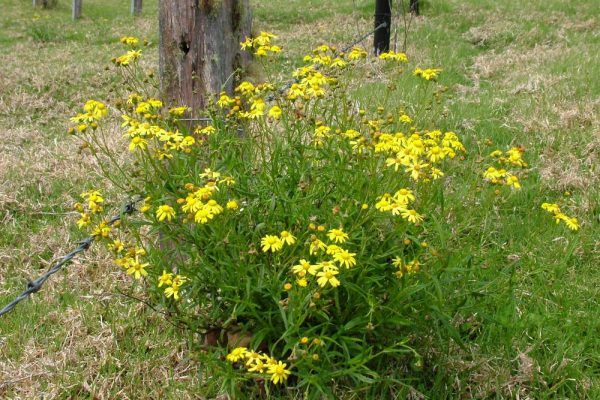
Fact sheets for the weeds on our calendar
FAQs
Can you spray near Lockyer Creek and other waterways?
This really depends on what it is that is being sprayed. Each chemical label will outline buffers required when near waterways or bodies of water in general. There are some chemicals that are designed to be sprayed over bodies of water as well. So before purchasing chemicals it is a really good job to discuss further with an agronomist.
Do you supply the chemical?
No, we don’t supply chemicals. We can point you in the right direction for suppliers.
How many hectares can you do in a day?
It depends on the rate, the paddock and the weather. Check out one of our recent blogs that goes into more details about costs and how many hectares we can cover in a day.
Plan your spraying season with us
Always follow the product label, and talk to your agronomist about chemical choice. When you’re ready, tell us your paddocks and the weeds you’re dealing with, and we’ll help you plan the year. See our aerial spraying service, read how we sprayed steep country near Toowoomba, or call 0419 644 104.
